

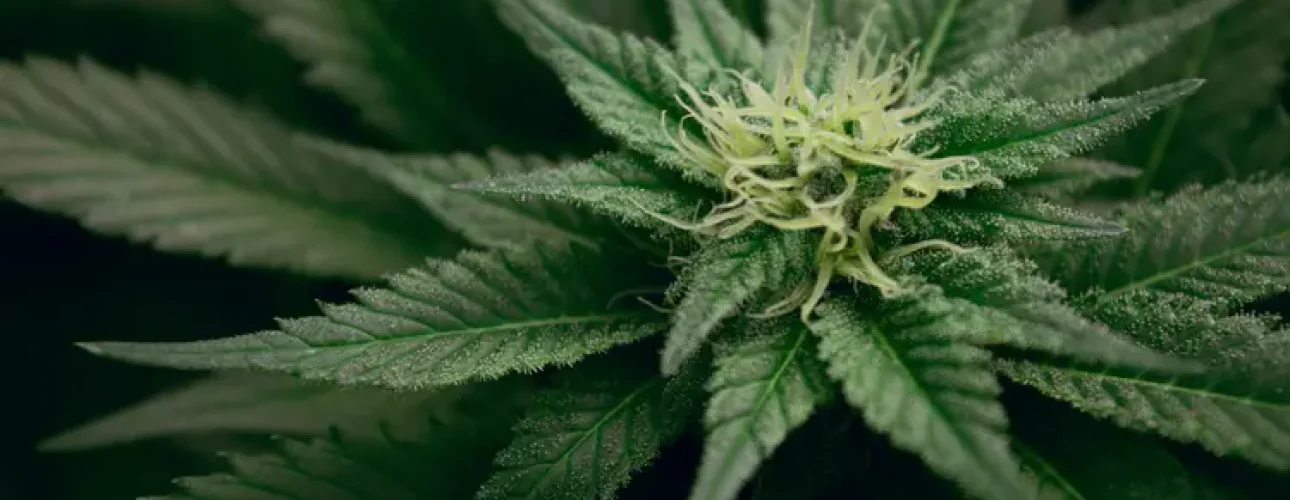
Introduction: A Beginner’s Path to Homegrown Cannabis
Ever stood in a dispensary, holding a jar of flower that cost more than your lunch, and thought, “I could just grow this myself”? You’re not alone. At I Love Hydroponics, we hear this story all the time. For many first-timers, growing cannabis isn’t just about saving money—it’s about curiosity, connection to nature, and taking control of quality.
And the truth is, you don’t need a green thumb or a science lab. You need patience, the right tools, and a few solid tips to guide your way. That’s where this list comes in. Whether you’re growing a single plant in a closet or launching a balcony garden, these tips will help you grow smarter—not harder.
1. Start with the Right Cannabis Seeds
Not all cannabis is created equal—and it starts at the seed level. Autoflowering seeds are a gift to beginners. Why? They flower on their own schedule, don’t need strict light cycles, and are generally more forgiving. Photoperiod strains can yield more, but they require more time and experience to manage.
Why it matters: Choosing the right strain for your skill level is like picking training wheels when learning to ride. Start stable, then level up.
Quick Tip: Look for feminized seeds to avoid male plants, which won’t produce buds and can ruin a crop by pollinating your females.
2. Pick the Best Growing Environment
Before you sprout a seed, think location. Are you growing indoors, where you can control every variable? Or outside, where Mother Nature calls the shots? Each has its perks.
-
Indoor Pros: Full control over light, temp, humidity; discreet
-
Outdoor Pros: Lower cost, no need for grow lights, huge yield potential
Best for Beginners: A small indoor grow with 1–3 plants. It’s manageable and easier to troubleshoot.
3. Invest in Proper Lighting
Light is life for your cannabis plants. Without enough, they stretch tall and weak. With too much, you’ll burn them. Aim for a full-spectrum LED light designed for growing cannabis. Fluorescents work for seedlings, but aren’t ideal long term.
-
Vegetative Stage: 18/6 light/dark cycle
-
Flowering Stage: 12/12 light/dark cycle
Pro Tip: Use a timer. Plants love consistency—and so will your schedule.
4. Choose Soil First, Hydroponics Later
Hydroponics is flashy, but soil is your best friend as a beginner. A quality organic soil mix with compost, worm castings, and perlite creates a living ecosystem that nurtures your plants. Think of it like a probiotic smoothie for roots.
-
Soil: More forgiving, buffers mistakes, holds nutrients well
-
Hydroponics: Faster growth, but less room for error
Tip: Avoid Miracle-Gro or non-organic potting mixes—they often contain time-release nutrients that burn cannabis plants.
5. Don’t Overwater
One of the most common beginner mistakes? Loving your plant too much—especially with water. Cannabis likes a wet-dry cycle. That means water thoroughly, then wait until the top inch of soil is dry before watering again.
How to tell: Lift the pot. If it feels light, it’s time. If it’s heavy, wait. You can also use your finger or a moisture meter.
Rule of Thumb: Water every 2–4 days depending on pot size, plant size, and temperature.
6. Go Easy on the Nutrients
More nutrients ≠ more buds. In fact, overfeeding is a fast way to get “nute burn” and stunt growth. Start with a cannabis-specific nutrient line, and begin at half-strength. Increase slowly based on how your plant responds.
-
Veg Stage: Needs more nitrogen (N)
-
Flower Stage: Needs more phosphorus (P) and potassium (K)
Tip: Watch leaf color and tips. Yellow tips or curling often mean nutrient stress.
7. Keep Air Flowing
Stagnant air invites mold, mildew, and pests. Plants also use CO₂ from the air, so proper circulation helps them “breathe” and grow stronger. Use a small oscillating fan and make sure air moves gently across your canopy.
Bonus: A gentle breeze strengthens stems, so your plants can support heavy buds later.
8. Train Your Plants Early
Training techniques like LST (low-stress training) or topping can dramatically increase yield and light exposure. LST involves bending and tying branches down, while topping involves cutting the main stem to promote bushier growth.
Start Early: Begin training in the vegetative stage when the plant is flexible and still growing rapidly.
Tools: Garden wire, plant ties, or soft string will do. Don’t kink the stem—gently bend.
9. Learn When to Harvest
Patience is key. Harvest too early and your buds will lack potency. Wait too long and you’ll lose peak flavor and effects. The best method? Check your trichomes with a magnifying glass or jeweler’s loupe.
Harvest Window: When most trichomes are cloudy with a few amber, your plant is at its peak. Clear trichomes mean it’s not ready.
Bonus Sign: Pistils (the hair-like structures) will turn from white to orange or brown and begin curling inward.
10. Cure Your Buds After Drying
You made it to harvest—but don’t rush to light up just yet. Curing transforms harsh, grassy flower into smooth, flavorful bud. Dry for 7–10 days, then cure in glass jars for 2–4 weeks. Open the jars daily for the first week to let moisture escape (“burping”).
-
Ideal Humidity: 58–62%
-
Smell Check: Should smell sweet, earthy, and pungent—not like hay or cut grass
Tip: Use humidity packs to keep levels stable while curing.
Final Thoughts: You Don’t Need to Be an Expert to Grow Like One
Growing cannabis doesn’t need to be overwhelming. Like any new skill, it’s about learning by doing. Each plant teaches you something new—about light, timing, patience, and yourself.
If you’ve been on the fence, now’s the time to start. One seed, one pot, one grow light—that’s all it takes.
Ready to grow? I Love Hydroponics is here to guide you every step of the way.